
Table of Contents
When Microsoft signed a 20-year power purchase agreement to restart the Unit 1 nuclear reactor at Three Mile Island, and Amazon invested hundreds of millions into Talen Energy’s nuclear-powered campus, Wall Street received an unmistakable signal: the primary bottleneck for the artificial intelligence revolution is no longer GPUs or venture capital—it is raw, uninterrupted gigawatts of electricity.
âš¡ Key Takeaways & Quick Answer (The AI Energy Boom)
Direct Answer: The AI data center boom is driving the largest surge in US electrical grid demand in over three decades. Because frontier AI training clusters require 24/7 baseload power that wind and solar cannot guarantee alone, Big Tech is signing massive multi-decade nuclear and clean energy contracts, creating major tailwinds for utility operators and nuclear power equities.
- Grid Pressure: US data centers are projected to consume over 9% of total US electricity by 2030, up from roughly 4% today.
- The Nuclear Revival: Hyperscalers (Microsoft, AWS, Google) demand zero-carbon, 24/7 baseload energy, leading directly to reactor recommissioning and Small Modular Reactor (SMR) development.
- Investor Strategy: Broad energy exposure via low-cost ETFs and established utility operators offers safer risk-adjusted returns than speculative micro-cap nuclear startups.
Why AI Data Centers Cannot Rely Solely on Solar and Wind
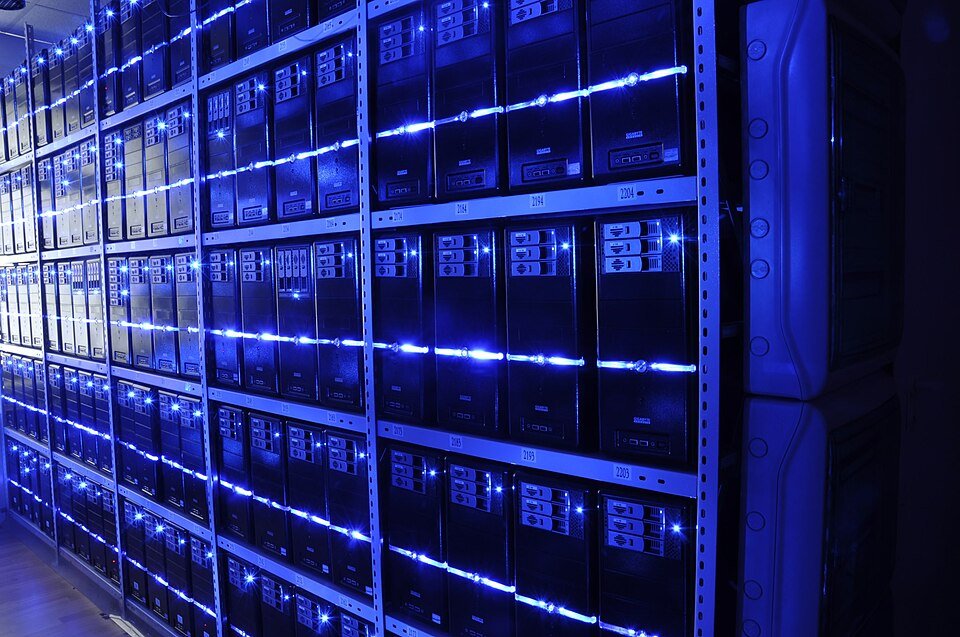
Modern AI data centers are fundamentally different from traditional corporate server rooms. A cluster of 100,000 next-generation chips runs at 95%+ utilization twenty-four hours a day, 365 days a year. If grid frequency dips or power cuts out for three seconds, an entire multi-million-dollar training checkpoint can be corrupted.
Solar only generates power during daylight hours; wind fluctuates unpredictably. Battery storage systems can smooth out short 4-hour evening spikes, but they cannot sustain a 1,000-megawatt data center for a three-day cloudy, windless weather pattern. Nuclear fission is currently the only commercially proven zero-carbon technology capable of delivering 99.9% uptime at industrial scale.
Key Players Driving the US Energy Renaissance
Investors tracking this megatrend should watch three distinct tiers in the Western energy complex:

- Independent Power Producers (IPPs): Companies like Constellation Energy (NASDAQ: CEG) and Vistra Corp (NYSE: VST) that own unregulated nuclear and natural gas fleets capable of selling power directly to hyperscalers at premium rates.
- Small Modular Reactor (SMR) Innovators: Next-generation developers like Kairos Power (partnered with Google) and NuScale exploring scalable 50MW–300MW prefabricated reactors that can be placed adjacent to data campuses.
- Grid Infrastructure & Equipment Providers: Eaton (ETN), Quanta Services (PWR), and Schneider Electric, which manufacture the transformers, switchgear, and high-voltage transmission lines necessary to move gigawatts of power.
How Smart Investors Should Approach This Megatrend
While the fundamentals behind power demand are undeniably strong, retail investors frequently get hurt by buying unprofitable penny stocks with unproven reactor blueprints. A sound wealth-building strategy focuses on broad diversification:
- Core Index Funds First: Ensure your core portfolio remains anchored in broad market vehicles like the S&P 500 (VOO) before allocating satellite capital to thematic sector plays.
- Regulated Utility Exposure: Utilities traditionally pay reliable 3% to 4% dividend yields while providing downside stability during economic pullbacks.
- Avoid Pure Speculation: Commercial SMR deployments will take 5 to 8 years to reach mass scale; focus on companies generating cash flow today.
For more foundational wealth-building strategies, check out our Complete Beginner’s Guide to Index Fund Investing in 2026 and our guide to Real Passive Income Streams.
Frequently Asked Questions (FAQ)
Why is Big Tech investing in nuclear power?
Tech giants have aggressive carbon-neutral climate pledges, but AI training clusters demand non-stop, continuous baseload electricity that renewable solar and wind alone cannot provide without backup generation.
What are Small Modular Reactors (SMRs)?
SMRs are compact nuclear reactors built in factory modules rather than on-site. They generate 50 to 300 MW of power, feature passive safety systems, and can be built directly next to massive data centers.

