
Table of Contents
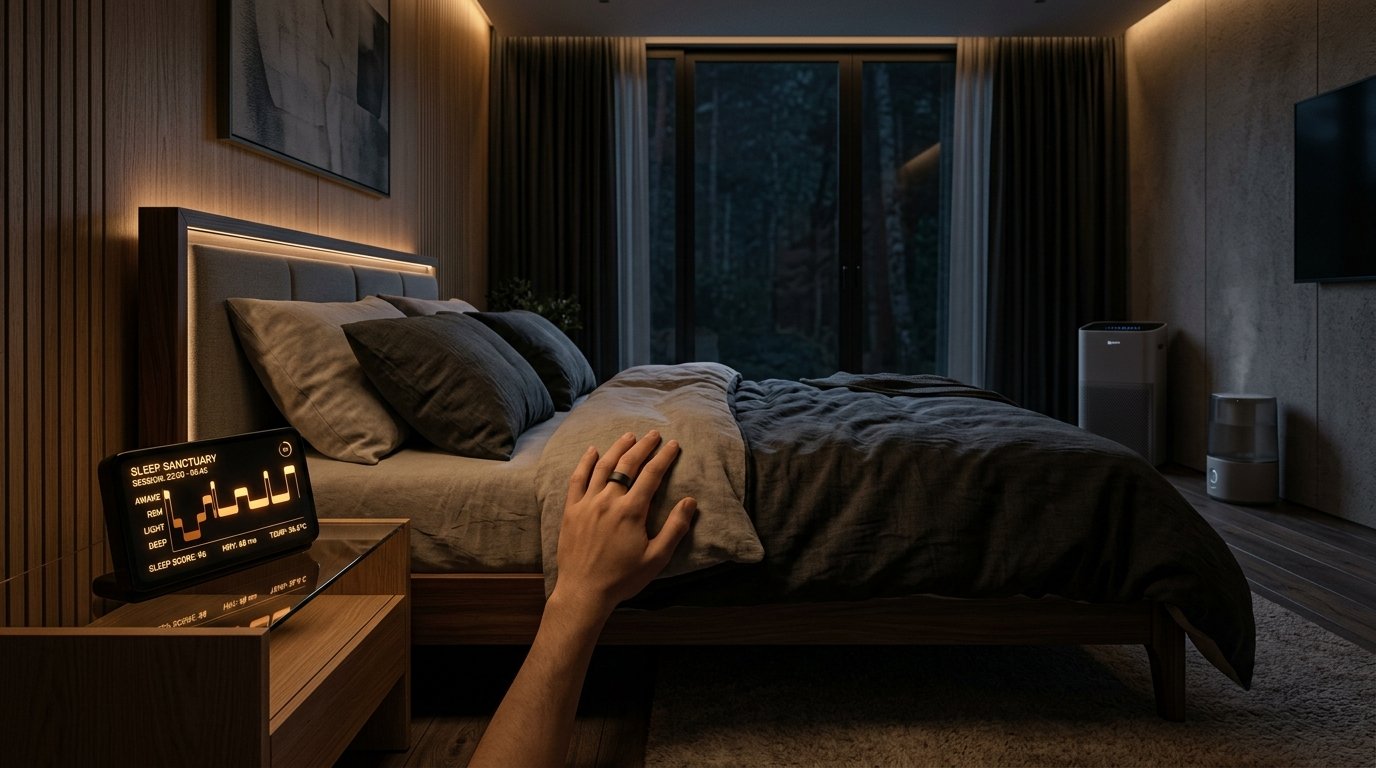
Optimizing sleep architecture through circadian light regulation and biometric tracking dramatically reduces chronic cortisol spikes.
An authoritative, comprehensive research guide analyzing the essential developments, structural economic dynamics, and proven frameworks defining this sector in 2026.
⚡ Key Takeaways & Executive Summary (2026 Guide)
Fast, authoritative overview answering core research questions:
- Chronic high cortisol blunts deep sleep and executive function, even when total time in bed appears sufficient.
- 10 minutes of direct morning sunlight within 30 minutes of waking anchors the master circadian clock better than any supplement.
- Restricting blue light spectrums after 8:30 PM triggers natural endogenous melatonin release without grogginess.
- Strategic magnesium glycinate and L-theanine supplementation demonstrates validated clinical reductions in sleep-onset latency.
The Hidden Cost of High-Output Cognitive Exhaustion

Circadian Rhythm and Cortisol Stabilization Protocols for Professionals
In competitive knowledge industries, professionals often treat sleep as a negotiable asset. Yet physiological research consistently demonstrates that cognitive degradation from fragmented sleep mirrors moderate alcohol intoxication in decision-making latency and error rates.
Biohacking in 2026 has moved away from unproven extreme gimmicks toward rigorous, biology-aligned protocols that regulate autonomic nervous system tone and hormonal cycles.

Protocol 1 & 2: Master Circadian Anchoring and Thermal Priming
Circadian Light Anchoring: Your suprachiasmatic nucleus (SCN) requires photon density to calibrate daytime cortisol and nighttime melatonin. Step outside within 30 minutes of waking for 10-15 minutes of natural sunlight without sunglasses.
Thermal Body Priming: The human core body temperature must drop by approximately 2°F to initiate and sustain deep slow-wave sleep. Setting your bedroom thermostat to 65–68°F (18–20°C) and taking a warm shower 90 minutes before bed accelerates peripheral vasodilation, dropping core temperature rapidly.
Protocol 3, 4 & 5: Metabolic Cutoffs, Nervous System Downtime, and Targeted Micronutrients
Cease caloric intake at least 3 hours before sleep to prevent blood flow diversion to digestion during restorative cycles. Incorporate 5 minutes of physiological sigh breathing (two quick inhales through the nose, long extended exhale through the mouth) to disengage sympathetic fight-or-flight drive.
Support cellular relaxation with elemental magnesium glycinate (300-400mg) and apigenin (50mg) to calm central nervous system excitability naturally.
Frequently Asked Questions
What is the most effective biohack for better deep sleep?
Consistent circadian light timing: getting high-lux natural sunlight into the eyes early in the morning and eliminating bright overhead artificial light 2 hours before bed.
How does high cortisol affect daytime professional productivity?
Elevated evening cortisol prevents the brain from shifting into slow-wave delta sleep, resulting in brain fog, impaired risk evaluation, and afternoon energy crashes.
Can you biohack sleep without expensive wearable gadgets?
Yes. Cold bedroom temperatures (65-68°F), pitch-black sleeping environments, and consistent wake-up times drive 80% of physiological sleep quality improvements.
Strategic Summary & Next Steps for 2026
Navigating fast-moving trends in 2026 demands evidence-based execution over speculative hype. By leveraging the structured benchmarks and actionable protocols outlined in this guide, professionals and organizations can build durable, high-conviction advantages across today’s rapidly transforming economic landscape.

