
Table of Contents
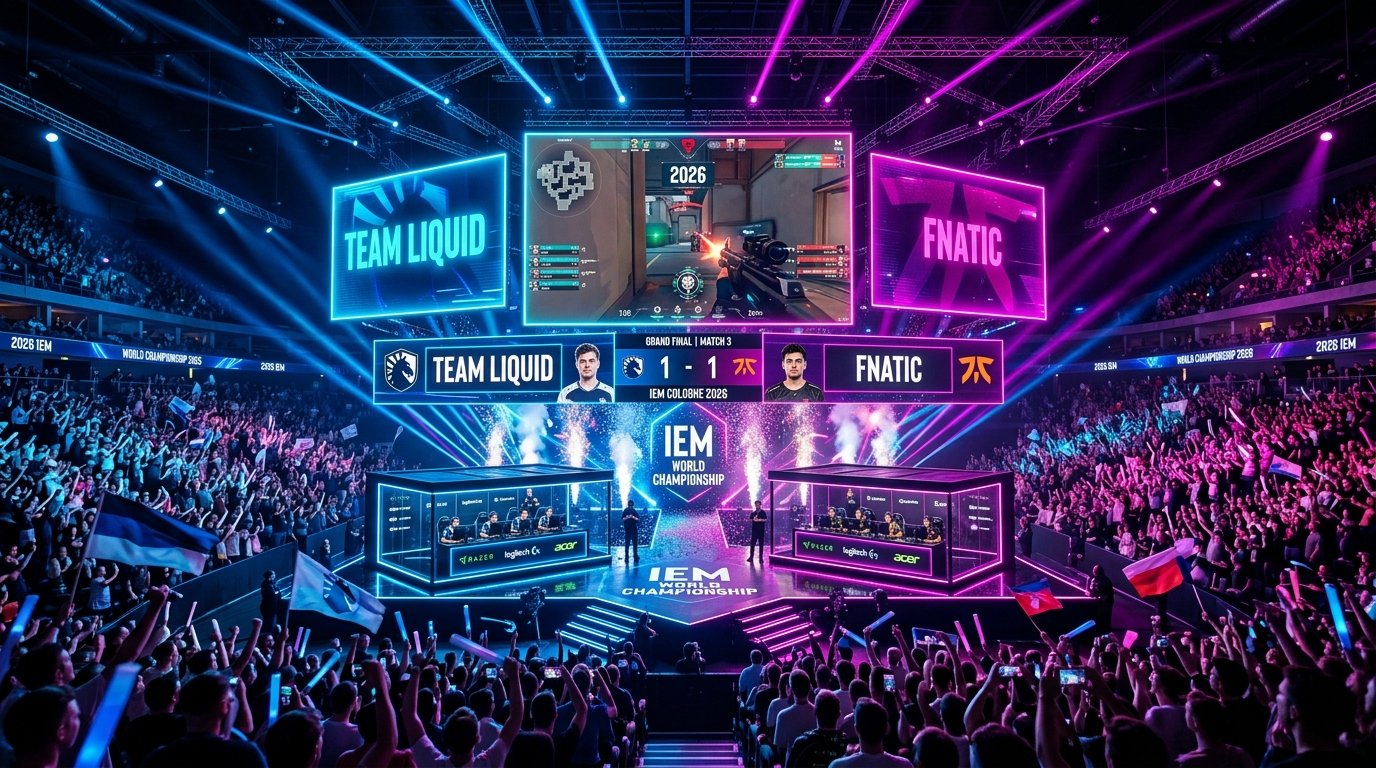
Franchised esports leagues are restructuring revenue-sharing models to achieve sustainable long-term team profitability.
An authoritative, comprehensive research guide analyzing the essential developments, structural economic dynamics, and proven frameworks defining this sector in 2026.
⚡ Key Takeaways & Executive Summary (2026 Guide)
Fast, authoritative overview answering core research questions:
- The traditional venture capital ‘esports winter’ concluded with leaner, sustainable franchise models replacing unprofitable buy-ins.
- Creator-owned organizations (Disguised, Moist, Karmine Corp) are driving 3x higher merchandise and viewership engagement than legacy VC teams.
- Publisher revenue-sharing models (in-game skin bundles, champion passes) now fund up to 70% of professional team operating costs.
- Tier-1 tournament circuits (League of Legends, Counter-Strike 2, Valorant) have rebounded with record international arena attendance.
The Rebirth of Esports After the Capital Correction

Global Esports Tournament Arena and Competitive Gaming Economics
Between 2021 and 2024, competitive gaming suffered a painful economic reckoning dubbed the ‘esports winter.’ Flush with cheap venture capital, organizations overpaid player salaries, built unsustainable facilities, and relied on non-existent broadcasting rights deals.
In 2026, the industry has re-emerged on fundamentally sound economic footings. Salary caps, localized event models, and lean operational structures have replaced speculative excess with sustainable operational profitability.

The Power of Creator-First Team Ownership
The most successful organizations in 2026 are not run by corporate boardrooms; they are led by high-profile content creators. Teams founded by prominent streaming personalities convert digital audiences into rabid in-arena fanbases, generating massive digital item sales and sponsor engagement that legacy corporate teams could never cultivate.
In-Game Digital Revenue Sharing: The Ultimate Financial Lifeblood
Publishers have fundamentally redesigned their tournament monetization. By offering branded in-game cosmetic bundles and team capsules where 50% of proceeds flow directly into team coffers, publishers have aligned fan passion with organizational financial survival.
Frequently Asked Questions
How do professional esports teams make money in 2026?
Modern esports organizations generate revenue through publisher in-game digital item splits, brand sponsorships, merchandise, tournament prize money, and creator content networks.
Why did traditional franchise buy-ins fail in esports?
Exorbitant initial franchise fees ($20M–$40M) proved unsustainable without localized ticket sales and domestic media rights comparable to traditional sports leagues like the NFL or NBA.
What games dominate Tier-1 competitive esports in 2026?
League of Legends, Counter-Strike 2, Valorant, and Dota 2 maintain the largest global audiences, with mobile esports (MLBB, PUBG Mobile) dominating Southeast Asia and Latin America.
Strategic Summary & Next Steps for 2026
Navigating fast-moving trends in 2026 demands evidence-based execution over speculative hype. By leveraging the structured benchmarks and actionable protocols outlined in this guide, professionals and organizations can build durable, high-conviction advantages across today’s rapidly transforming economic landscape.

