Table of Contents
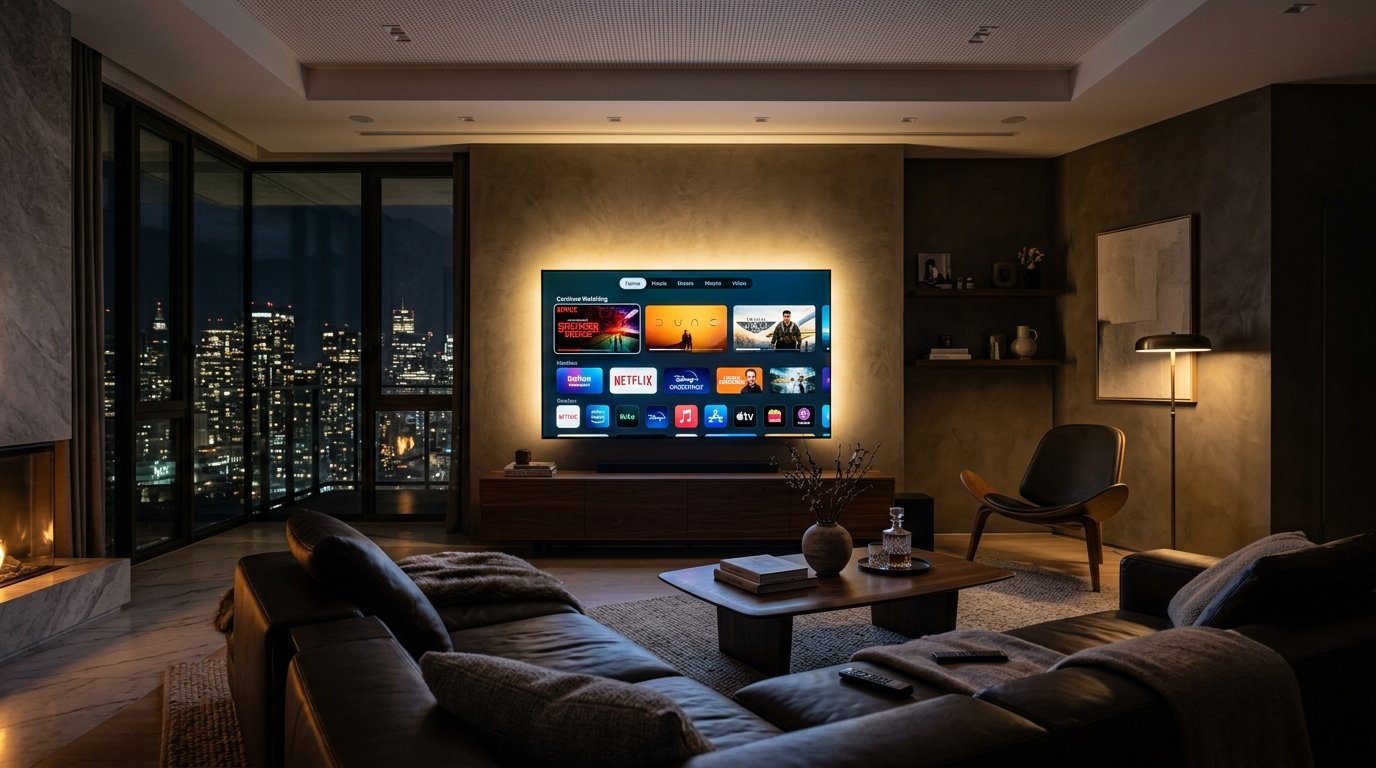
Rising subscription prices and ad-supported tiers are driving consumers toward bundled entertainment packages.
An authoritative, comprehensive research guide analyzing the essential developments, structural economic dynamics, and proven frameworks defining this sector in 2026.
⚡ Key Takeaways & Executive Summary (2026 Guide)
Fast, authoritative overview answering core research questions:
- The average US household now spends over $95/month across standalone streaming services, exceeding legacy cable bills.
- Cross-studio mega-bundles (Disney+, Max, Hulu, Paramount+) are saving consumers up to 40% compared to individual subscriptions.
- Ad-supported tiers have become the dominant subscriber tier as platforms push aggressive ad-free price increases.
- Fast Free Ad-Supported Television (FAST) channels (Pluto, Tubi) are capturing record viewership through lean-back browsing.
The Death of the Golden Era of Cheap Ad-Free Streaming

Streaming Media Subscriptions and FAST Entertainment Bundles
A decade ago, consumers cut the cord on cable to escape expensive $100 bundles, bloated channel packages, and unskippable commercial breaks. In 2026, the streaming ecosystem has ironically reconstituted the very cable model it set out to destroy.
With annual price hikes averaging 15% to 25% across every major platform, retaining ad-free standalone subscriptions across Netflix, Disney+, Max, Apple TV+, and Amazon Prime now costs significantly more than a standard legacy cable tier.

The Great Re-Bundling: How Studios Are Teamed Up for Survival
Recognizing rising subscriber churn and subscription fatigue, media conglomerates have abandoned single-app purity in favor of cross-studio distribution alliances. By bundling rival catalogs together at steep discounts, platforms dramatically reduce monthly cancellation rates while locking in predictable annual recurring revenue.
How to Build a High-Value Entertainment Stack in 2026
Smart consumers are adopting rotation strategies: subscribing to a single premium platform for one month to binge priority releases, then pausing it in favor of another. Pairing one core discounted bundle with high-quality free FAST channels delivers premium entertainment while keeping monthly costs strictly under $40.
Frequently Asked Questions
Why have streaming services gotten so expensive in 2026?
Platforms have pivoted from unprofitable subscriber acquisition land-grabs to strict Wall Street profitability mandates, raising prices and cracking down on password sharing.
Are streaming bundles worth it in 2026?
Yes. Bundles that combine multiple major studios into a single consolidated billing tier provide substantial 30% to 45% discounts compared to maintaining separate monthly accounts.
What is the difference between SVOD and FAST streaming?
SVOD (Subscription Video on Demand) charges monthly fees for library access, while FAST (Free Ad-Supported Streaming TV) offers scheduled linear channels and on-demand movies entirely free with commercial breaks.
Strategic Summary & Next Steps for 2026
Navigating fast-moving trends in 2026 demands evidence-based execution over speculative hype. By leveraging the structured benchmarks and actionable protocols outlined in this guide, professionals and organizations can build durable, high-conviction advantages across today’s rapidly transforming economic landscape.

